The British Pound’s Historic Downturn: A Perfect Storm Hitting “The Beast”
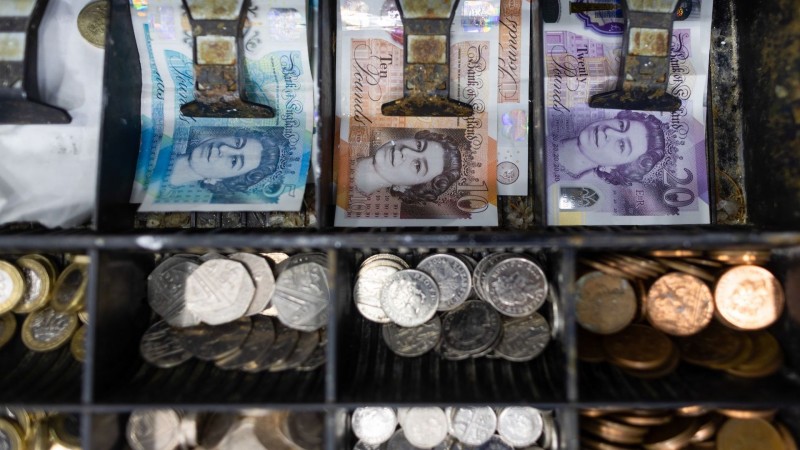
The British pound — often dubbed “The Beast” — is entering what could be a historic downturn. Multiple red flags are flashing across fundamentals, capital flows and technicals. Right now, a collapse in GBP/USD toward 1.25 or below feels like a very real possibility.
🧨 Fundamentals Breakdown: UK Economy in Freefall
-
The UK economy appears to have slipped into a “nuclear-level” recession. Latest data shows quarterly GDP growth at 0.0%. Domestic demand is collapsing — consumer spending down two quarters in a row (~–0.3%), business investment plunging ~2.1%. Meanwhile, peers like the U.S. are seeing solid growth, and even the Eurozone is inching forward. The UK is increasingly isolated.
-
Meanwhile, inflation remains sticky while labor markets deteriorate. With unemployment rising to ~4.8% (a five-year high) and core CPI stuck around 4.5%, the dreaded stagflation spiral seems underway. That combination leaves the Bank of England (BoE) between a rock and a hard place: cutting rates risks fueling inflation, while hiking rates could choke growth further.
Result: UK growth engines are dead. Domestic demand is contracting. Inflation and unemployment are rising. That’s a toxic macro cocktail for sterling.
For traders wanting to simulate these macro impacts on price action before committing real capital, opening a practice environment via a demo account can be a practical first step.

📉 External Shock: Trade & Tariff Tsunami
On top of internal weakness, the pound is squeezed by trade tensions. A new “reciprocal tariff” regime has hit UK’s core industries hard: autos slapped with 25% tariffs; pharmaceuticals hit with 30%. Early data shows UK exports to the U.S. plunging ~18% y/y in September.
Across the Channel, the European Union has responded with retaliatory tariffs — for example, a 15% levy on British steel exports. That has sent export costs surging ~22%, pushing manufacturers to reconsider UK as a base. The result: export orders collapse, PMI readings slump (auto-manufacturing PMI now at 40.2 — worst since 1990).
In short: UK’s trade surplus evaporates, exports crater, and industrial output is tanking.
💸 Capital Flight: Smart Money Is Voting With Its Feet
As one of the most open economies globally, the UK — and thus GBP — is acutely sensitive to capital flows. And right now, capital is leaving en masse.
-
On fiscal side: with a budget deficit reaching ~5.8% of GDP for 2025, far above EU norms, the government is under pressure. Yields on UK 10-year gilts have jumped to ~4.8%, widening spreads vs German Bunds by ~250 bps. Some institutions (e.g. Deutsche Bank) are warning of potential downgrade of UK debt to “junk” status — a prospect that would terrify investors.
-
On markets side: According to London-listed data, international capital outflows from UK equities in October hit ~£18.7 billion. Major asset managers reportedly slashed holdings — a clear sign of shifting sentiment. Meanwhile, U.S. and European markets saw net inflows. On the corporate front, legacy firms are re-locating: big names reportedly moving HQ or production out of the UK.
Corporate exodus, shrinking foreign investment, a fiscal disaster — that spells a dramatic drop in demand for pounds.
📉 Technical Warning Lights: Charts Confirm the Drop
The weakness is not just in fundamentals — the technical setup for GBP/USD is deteriorating fast. A “death cross” on the monthly MACD has already formed. The pair broke below key support at ~1.34 in April 2025, and since then has formed a descending-triangle breakdown — a classic bearish formation. The next critical large support cluster lies around ~1.2380 (the pandemic low from 2020).
Meanwhile, data from futures markets show leveraged funds holding roughly the highest net-long GBP positions in nearly three years. That level of crowding often precedes painful unwindings — which, once triggered, can accelerate declines sharply.
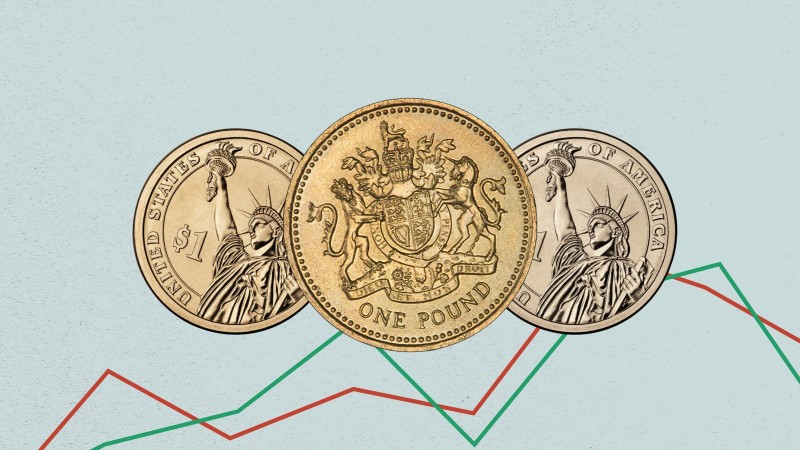
⚠️ Trading Strategy: Time to Prepare for the Hunt
Given all of the above, here is how savvy traders might approach GBP/USD:
-
For spot or futures traders: a short entry around current levels (near 1.3140), with a target zone around 1.28–1.25 seems justified. If BoE intervenes (rumoured £20 billion rescue), that could merely spark a sharp but short-lived rally — potentially a second chance to short.
For those preparing to execute real trades, moving from simulation to live markets through a regulated trading account can be done via trading account.
-
For retail/ETF investors: consider hedged or inverse products tied to GBP — ideally structured to benefit from sterling weakness.
That said: risk remains. A truly dovish BoE surprise or geopolitical shock could create short-term volatility — so manage position size and set prudent stop-losses.
Risk reminder
A dovish BoE surprise, or a geopolitical shock, could create sharp short-term volatility. Position sizing and disciplined stop placement remain essential.
Final Thought
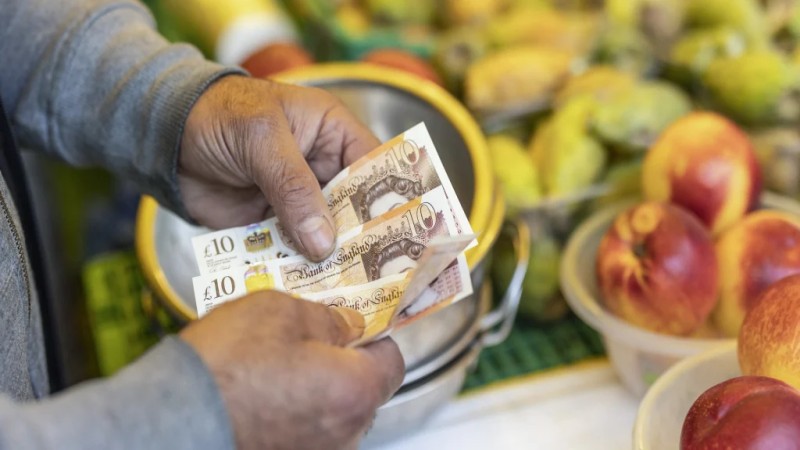
In an environment where fundamentals are collapsing, trade conditions are worsening, and capital is flooding out of the UK, GBP/USD may be headed into one of its most vulnerable phases in over a decade.
For traders seeking a multi-asset platform with research tools and flexible execution, many in the region reference Ultima Markets for its stability and analytics suite:👉 Ultima Markets
With the risk landscape shifting quickly, monitoring the macro calendar, technical triggers, and capital flow signals will be crucial. Stay nimble, stay disciplined, and prepare for volatility — “The Beast” may be waking up again, just not in the direction sterling bulls are hoping for.