SKU Explained | SKU Meaning and How Stock Keeping Units Work in Modern Business
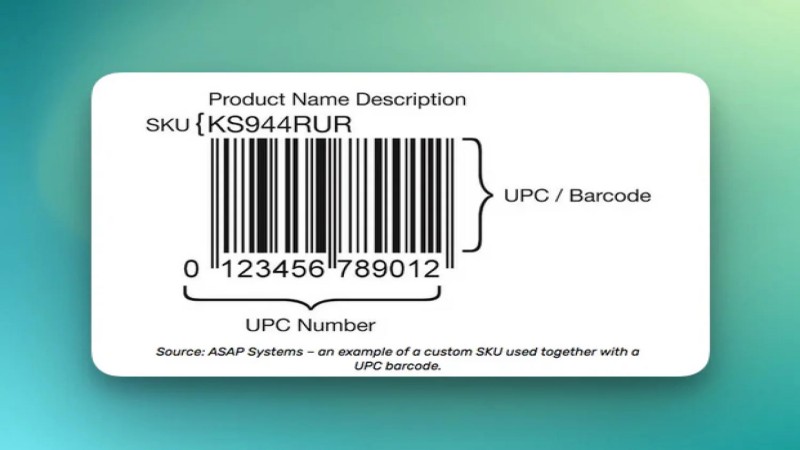
SKU is one of the most commonly used terms in business, retail, and inventory management, yet it is often misunderstood by beginners. Many people ask what SKU means and why it matters so much in daily operations. Understanding SKU meaning is essential for businesses that manage products, track inventory, and analyze performance efficiently. This guide explains what an SKU is, how it works, and why it plays a critical role in modern business systems.
Key Takeaways
➔ SKU stands for Stock Keeping Unit
➔ SKU meaning refers to internal product identification
➔ SKUs support inventory, sales, and analytics
➔ Proper SKU structure improves operational efficiency
➔ SKUs are critical for scalable business systems
What Is an SKU
An SKU, or Stock Keeping Unit, is a unique identifier assigned to a product to help businesses track inventory and manage operations. SKU meaning goes beyond a simple code. It represents a structured way to identify products based on specific attributes such as size, color, model, or category.
Every SKU is created internally by a business. Unlike barcodes, which are standardized globally, SKUs are customized to match a company’s internal systems and reporting needs. This flexibility allows businesses to design SKUs that reflect how products are stored, sold, and analyzed.
According to Square’s business education resource, SKUs help businesses organize inventory efficiently and reduce errors in product tracking.

SKU Meaning in Business Context
When people talk about SKU meaning, they are referring to how businesses use structured product identifiers to maintain clarity and control. An SKU is not random. It is intentionally designed to encode meaningful information.
For example, a clothing retailer may create an SKU that reflects product type, color, and size. A technology distributor may use an SKU that includes product category, version, and region. This structured approach allows teams to understand product details instantly without opening full descriptions.
SKU meaning is closely tied to operational efficiency, data accuracy, and decision making.
How SKUs Work
SKUs function as the backbone of inventory systems. Each SKU corresponds to a specific product variation. Even small differences between products usually require separate SKUs.
How an SKU Operates
➔ A business assigns a unique SKU to each product variation
➔ The SKU is entered into inventory and sales systems
➔ Every sale, return, or stock movement updates the SKU record
➔ Inventory levels are monitored using SKU data
➔ Performance reports are generated based on SKU activity
This process ensures accurate stock counts, clearer reporting, and faster operational decisions.
Why SKU Meaning Matters
Understanding SKU meaning is important because it affects nearly every aspect of business operations. Poor SKU management leads to inventory errors, stockouts, and reporting issues.
Well structured SKUs support:
➔ Accurate inventory tracking
➔ Faster order fulfillment
➔ Clear product differentiation
➔ Reliable sales and performance analysis
➔ Improved operational efficiency
Businesses that ignore proper SKU structure often struggle as they scale.
SKU Versus Barcode
Many beginners confuse SKUs with barcodes. While both are used for identification, they serve different purposes.
Key Differences Between SKU and Barcode
➔ SKU is internally created by the business
➔ Barcode is standardized and issued externally
➔ SKU reflects business specific product attributes
➔ Barcode ensures universal product recognition
➔ SKU supports internal reporting and analytics
➔ Barcode supports scanning and point of sale systems
In practice, most businesses use both. The SKU powers internal systems, while the barcode supports external transactions.
How SKUs Are Created
There is no universal formula for SKU creation. However, effective SKUs follow consistent logic.
Common Elements Used in SKUs
➔ Product category
➔ Brand or model identifier
➔ Size or specification
➔ Color or variation
➔ Location or channel reference
For example, a business may create an SKU that combines category, color, and size into a readable code. This makes it easier for staff to interpret and manage products quickly.

SKU in Inventory Management
SKU meaning becomes especially important in inventory management. Inventory systems rely on SKUs to track stock levels in real time.
According to NetSuite, SKUs enable businesses to monitor inventory movement, forecast demand, and reduce excess stock. Without SKUs, inventory management becomes reactive instead of strategic.
Benefits of SKUs in Inventory Systems
➔ Real time inventory visibility
➔ Reduced stock discrepancies
➔ Better demand forecasting
➔ Improved supplier coordination
➔ Lower operational costs
Effective SKU management supports both short term operations and long term planning.
SKU Meaning in Ecommerce
In ecommerce, SKU meaning extends into product listings, fulfillment, and analytics. Online stores often carry thousands of product variations, making SKUs essential.
Epic Design Labs explains that SKUs help ecommerce businesses track performance across channels, warehouses, and fulfillment partners. Much like how traders may start with a demo account to understand platform functionality before committing real capital, ecommerce businesses rely on SKUs to test, refine, and scale their operational processes with clarity.
Ecommerce Use Cases for SKUs
➔ Managing product variations
➔ Tracking online versus offline sales
➔ Coordinating fulfillment centers
➔ Monitoring return rates by product
➔ Optimizing product listings
Without proper SKU structure, ecommerce businesses quickly lose visibility and control.
Common SKU Mistakes
Many businesses struggle with SKU implementation because of avoidable mistakes.
Common SKU Errors
➔ Using inconsistent formats
➔ Creating overly complex codes
➔ Reusing SKUs for different products
➔ Failing to document SKU logic
➔ Ignoring scalability
These mistakes reduce the effectiveness of SKUs and create confusion across teams.
SKU and Data Analysis
SKU data is critical for business intelligence and reporting. Sales trends, profitability, and product performance are often analyzed at the SKU level.
SKU based analysis allows businesses to:
➔ Identify best selling products
➔ Detect slow moving inventory
➔ Measure profit margins by product
➔ Improve pricing strategies
➔ Support data driven decisions
Clear SKU meaning ensures accurate insights and better strategic planning.
SKU Systems and Financial Markets
Although SKUs are most commonly associated with retail and inventory, the underlying principle applies across financial systems. Structured identifiers are essential for clarity and accuracy.
In financial markets, instruments are categorized using standardized symbols and codes. Platforms such as Ultima Markets emphasize structured data, transparent classification, and clear instrument identification—similar to how SKUs function in product management. Before transitioning to a live environment, many traders also begin with a structured trading account setup to ensure accuracy in execution and performance tracking.
Understanding SKU meaning builds appreciation for how structured identifiers support complex systems beyond physical products.
Benefits of Using SKUs
Despite the effort required to design them properly, SKUs deliver long term value.
Key Benefits of SKUs
➔ Improved inventory accuracy
➔ Faster operational workflows
➔ Clearer reporting and analytics
➔ Better customer satisfaction
➔ Stronger scalability
Businesses that invest in proper SKU systems are better prepared for growth.

Summary
Understanding SKU meaning is essential for any business that manages products, data, or operations. An SKU is more than a label. It is a structured system that supports efficiency, clarity, and informed decision making.
Mastering SKU meaning strengthens operational discipline and supports long term business success.